The world of labeling is on the cusp of a revolution. For decades, labels have been static, one-dimensional sources of information. But that is all about to change. Thanks to a convergence of technologies, including the Internet of Things (IoT), artificial intelligence (AI), and advanced printing techniques, the label of the future will be a dynamic, interactive, and intelligent source of information.
This guide will explore the future of labeling. We will discuss the key technologies that are shaping the future of the industry, the exciting new applications that are on the horizon, and the challenges that we need to overcome. By the end of this guide, you will have a clear understanding of the exciting future that awaits the world of labeling.
The Rise of the Smart Label
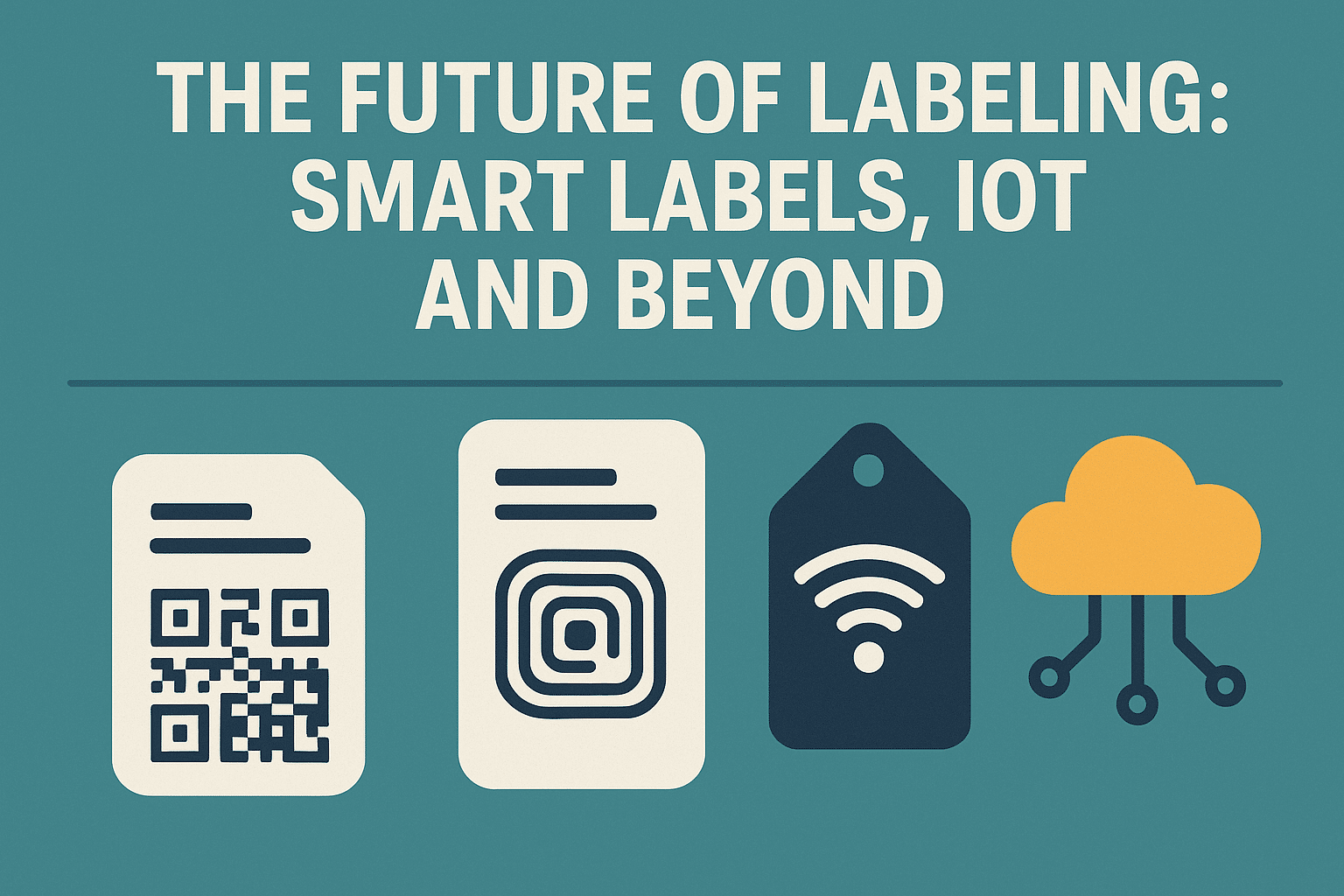
The label of the future is a smart label. A smart label is a label that is embedded with technology that allows it to communicate with the world around it. This technology can include everything from QR codes and NFC tags to RFID and Bluetooth.
Smart labels are already being used in a variety of applications, from inventory management to marketing. But we are only scratching the surface of what is possible. In the future, smart labels will be used to:
- Track products in real-time: Smart labels will allow us to track products in real-time, from the factory to the consumer. This will help us to improve supply chain efficiency, reduce theft, and prevent counterfeiting.
- Provide consumers with personalized information: Smart labels will allow us to provide consumers with personalized information about the products they are buying. This could include everything from nutritional information to cooking instructions.
- Create interactive experiences: Smart labels will allow us to create interactive experiences for consumers. For example, a consumer could scan a smart label on a bottle of wine to learn more about the vineyard where it was produced.
- Monitor the condition of products: Smart labels will allow us to monitor the condition of products in real-time. For example, a smart label on a container of food could monitor the temperature to ensure that it is being stored at a safe temperature.
The possibilities are endless. The smart label is the key to unlocking a whole new world of possibilities for the world of labeling.
The Internet of Things (IoT): Connecting the Physical and Digital Worlds
The Internet of Things (IoT) is the network of physical devices, vehicles, home appliances, and other items embedded with electronics, software, sensors, actuators, and connectivity which enables these objects to connect and exchange data. The IoT is the engine that will power the smart label revolution.
By connecting smart labels to the IoT, we can create a world where every product is connected to the internet. This will allow us to collect and analyze data on a massive scale. This data can be used to improve supply chain efficiency, reduce waste, and create new and innovative services.
Here are a few examples of how the IoT will be used to power the smart label revolution:
- Smart refrigerators: A smart refrigerator could scan the smart labels on the food inside and automatically create a shopping list when you are running low on something.
- Smart medicine cabinets: A smart medicine cabinet could scan the smart labels on your medications and remind you when it is time to take them.
- Smart recycling bins: A smart recycling bin could scan the smart labels on the items you throw away and provide you with information about how to recycle them properly.
The IoT is the key to unlocking the full potential of the smart label. By connecting smart labels to the IoT, we can create a world where every product is a smart product.
Challenges and Opportunities
The future of labeling is bright, but there are also a number of challenges that we need to overcome. Here are a few of the biggest challenges:
- Cost: The cost of smart labels is still relatively high. This is a major barrier to adoption, especially for small and medium-sized businesses.
- Standardization: There is a lack of standardization in the smart label industry. This makes it difficult for different systems to communicate with each other.
- Security: Smart labels collect a lot of data. This data needs to be protected from unauthorized access.
- Privacy: Smart labels raise a number of privacy concerns. For example, who owns the data that is collected by smart labels? And how will this data be used?
Despite these challenges, the opportunities are even greater. The future of labeling is a future of connected products, personalized experiences, and unprecedented efficiency. It is a future that is worth working for.
Conclusion: A Revolution in the Making
The world of labeling is on the verge of a revolution. The smart label, powered by the IoT, is poised to transform the way we interact with the world around us. It will create a world of connected products, personalized experiences, and unprecedented efficiency. The future of labeling is a future that is worth getting excited about.
At SSCPID, we are at the forefront of the smart label revolution. We are constantly innovating and developing new technologies to help our customers get the most out of their labeling systems. From durable, high-performance labels to on-demand printing solutions, we have the expertise to help you create a labeling system that is ready for the future. Contact us today to learn more about our Smart Labeling Solutions.