In the world of chemical safety, knowledge is power. The more you know about the hazards of the chemicals you work with, the better you can protect yourself and your employees. But with thousands of chemicals in use today, how can you possibly know the hazards of each one? The answer lies in chemical hazard classification.
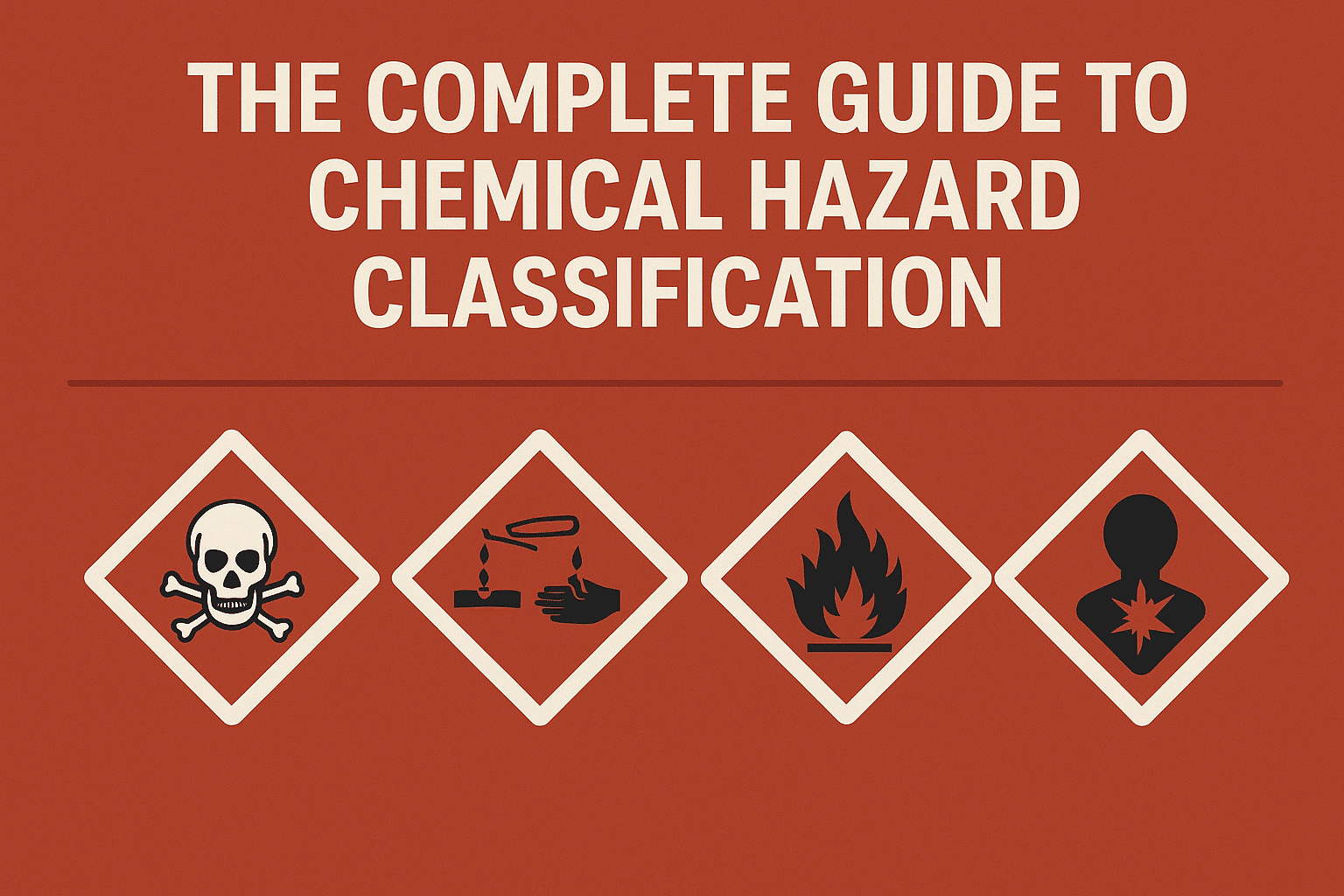
Chemical hazard classification is the process of evaluating and categorizing chemicals based on their intrinsic hazardous properties. It is a systematic way of identifying and communicating the potential dangers of a chemical, from its flammability to its toxicity. This guide will provide a comprehensive overview of chemical hazard classification. We will explore the different types of chemical hazards, the GHS hazard classes, and the process of classifying a chemical. By the end of this guide, you will have a clear understanding of this critical aspect of chemical safety.
Why is Chemical Hazard Classification So Important?
Chemical hazard classification is important for a number of reasons:
- Worker Safety: The primary purpose of chemical hazard classification is to protect workers from the dangers of hazardous chemicals. By understanding the hazards of a chemical, workers can take the necessary precautions to protect themselves.
- Compliance: OSHA’s Hazard Communication Standard (HCS) requires that all chemicals be classified according to their hazards. Failure to comply with this regulation can result in fines and other penalties.
- Emergency Response: In the event of a chemical spill or other emergency, it is essential to know the hazards of the chemical in order to respond safely and effectively.
- Transportation: The Department of Transportation (DOT) has specific regulations regarding the transportation of hazardous materials. These regulations are based on the hazard classification of the chemical.
- Environmental Protection: Chemical hazard classification also plays a role in protecting the environment. By understanding the environmental hazards of a chemical, you can take steps to prevent it from being released into the environment.
Types of Chemical Hazards
Chemical hazards can be broadly divided into two main categories: physical hazards and health hazards. The Globally Harmonized System (GHS) also includes a third category for environmental hazards, but this is not mandatory under OSHA’s Hazard Communication Standard.
Physical Hazards
Physical hazards are properties of a chemical that can cause physical harm to people or property. These hazards are related to the chemical’s physical and chemical properties, such as its flammability, reactivity, and corrosivity. The GHS divides physical hazards into the following classes:
- Explosives: Substances that can explode.
- Flammable Gases: Gases that can ignite and burn.
- Flammable Aerosols: Aerosols that can ignite and burn.
- Oxidizing Gases: Gases that can cause or contribute to the combustion of other materials.
- Gases Under Pressure: Gases that are stored under pressure.
- Flammable Liquids: Liquids that can ignite and burn.
- Flammable Solids: Solids that can ignite and burn.
- Self-Reactive Substances: Substances that can undergo a strong exothermic decomposition even without the participation of oxygen (air).
- Pyrophoric Liquids: Liquids that can ignite spontaneously in air.
- Pyrophoric Solids: Solids that can ignite spontaneously in air.
- Self-Heating Substances: Substances that can heat up on their own and catch fire.
- Substances which, in contact with water, emit flammable gases: Substances that emit flammable gases when they come into contact with water.
- Oxidizing Liquids: Liquids that can cause or contribute to the combustion of other materials.
- Oxidizing Solids: Solids that can cause or contribute to the combustion of other materials.
- Organic Peroxides: Organic substances that contain the bivalent -O-O- structure and may be considered derivatives of hydrogen peroxide, where one or both of the hydrogen atoms have been replaced by organic radicals.
- Corrosive to Metals: Substances that can corrode metals.
Health Hazards
Health hazards are properties of a chemical that can cause adverse health effects in people. These hazards are related to the chemical’s toxicological properties. The GHS divides health hazards into the following classes:
- Acute Toxicity: The ability of a chemical to cause adverse health effects after a single exposure.
- Skin Corrosion/Irritation: The ability of a chemical to cause damage to the skin.
- Serious Eye Damage/Eye Irritation: The ability of a chemical to cause damage to the eyes.
- Respiratory or Skin Sensitization: The ability of a chemical to cause an allergic reaction in the respiratory system or on the skin.
- Germ Cell Mutagenicity: The ability of a chemical to cause mutations in the germ cells.
- Carcinogenicity: The ability of a chemical to cause cancer.
- Reproductive Toxicity: The ability of a chemical to cause adverse effects on sexual function and fertility.
- Specific Target Organ Toxicity – Single Exposure: The ability of a chemical to cause damage to specific organs after a single exposure.
- Specific Target Organ Toxicity – Repeated Exposure: The ability of a chemical to cause damage to specific organs after repeated exposure.
- Aspiration Hazard: The ability of a chemical to cause adverse health effects if it is inhaled into the lungs.
The Hazard Classification Process
The process of classifying a chemical hazard is a systematic and scientific process. It involves a number of steps, from gathering data to assigning a hazard class and category.
Step 1: Gather Data
The first step in the hazard classification process is to gather all of the available data on the chemical. This may include data from a variety of sources, such as:
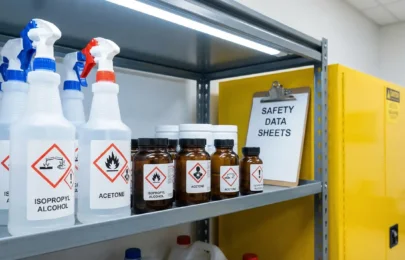
- Safety Data Sheets (SDSs): The SDS is the primary source of information on the hazards of a chemical.
- Scientific Literature: There may be scientific studies that have been published on the hazards of the chemical.
- Government Agencies: Government agencies such as OSHA, the EPA, and the DOT may have information on the hazards of the chemical.
- Testing: In some cases, it may be necessary to conduct testing to determine the hazards of a chemical.
Step 2: Evaluate the Data
Once you have gathered all of the available data, you need to evaluate it. This involves reviewing the data to determine its quality and reliability. You also need to consider the relevance of the data to the specific hazard you are evaluating.
Step 3: Assign a Hazard Class and Category
Once you have evaluated the data, you can assign a hazard class and category to the chemical. The GHS provides specific criteria for assigning a hazard class and category. These criteria are based on the type and severity of the hazard.
For example, to be classified as a flammable liquid, a chemical must have a flash point of not more than 93°C (199.4°F). The GHS then divides flammable liquids into four categories based on their flash point and initial boiling point. Category 1 is the most hazardous, and Category 4 is the least hazardous.
Step 4: Document the Classification
Once you have assigned a hazard class and category to the chemical, you need to document the classification. This should be done on the SDS. The SDS should include the hazard classification of the chemical, as well as all of the data that was used to make the classification.
Conclusion: A Safer Workplace Through Classification
Chemical hazard classification is a critical part of a safe and compliant workplace. By understanding the hazards of the chemicals you work with, you can take the necessary precautions to protect yourself and your employees. The GHS provides a comprehensive and systematic framework for classifying chemical hazards. By following the GHS, you can ensure that your hazard communication program is effective and that you are in compliance with all relevant regulations.
At SSCPID, we understand the importance of chemical hazard classification. We offer a wide range of chemical labeling solutions to help you meet your regulatory requirements. From durable, chemical-resistant labels to on-demand printing solutions, we have the expertise to help you create a safe and compliant workplace. Contact us today to learn more about our Chemical Labeling Services.