The oil and gas industry is one of the most demanding industries in the world. It is an industry that is characterized by harsh environments, hazardous materials, and strict regulations. In this kind of environment, clear and durable labeling is not just a matter of convenience; it is a matter of safety and compliance.
This guide will provide a comprehensive overview of the labeling requirements for the oil and gas industry. We will explore the unique challenges of this industry, the different types of labels that are used, and the key regulations that you need to be aware of. By the end of this guide, you will have a clear understanding of the importance of labeling in the oil and gas industry and what you need to do to ensure that your facility is safe and compliant.
The Unique Challenges of the Oil and Gas Industry
The oil and gas industry presents a unique set of challenges when it comes to labeling. Here are some of the most common challenges:
- Harsh Environments: Oil and gas facilities are often located in harsh environments, such as deserts, oceans, and arctic regions. Labels in these environments need to be able to withstand extreme temperatures, moisture, salt spray, and UV light.
- Hazardous Materials: The oil and gas industry deals with a wide range of hazardous materials, including flammable liquids, corrosive chemicals, and toxic gases. Labels for these materials need to be able to withstand chemical exposure and clearly communicate the hazards.
- Strict Regulations: The oil and gas industry is heavily regulated by government agencies such as OSHA, the EPA, and the DOT. These agencies have specific regulations regarding the labeling of equipment, pipelines, and hazardous materials.
- Remote Locations: Many oil and gas facilities are located in remote locations. This can make it difficult to get supplies and equipment, so it is important to use labels that are durable and long-lasting.
By understanding these challenges, you can start to appreciate the importance of using the right labels for the job.
Types of Labels Used in the Oil and Gas Industry
There are many different types of labels that are used in the oil and gas industry. Here are some of the most common:
- Pipe Markers: Pipe markers are used to identify the contents of pipes. They typically include the name of the substance, the direction of flow, and any relevant hazard warnings.
- Valve Tags: Valve tags are used to identify valves and to provide information about their function and status.
- Equipment Labels: Equipment labels are used to identify equipment and to provide information about its operation and maintenance.
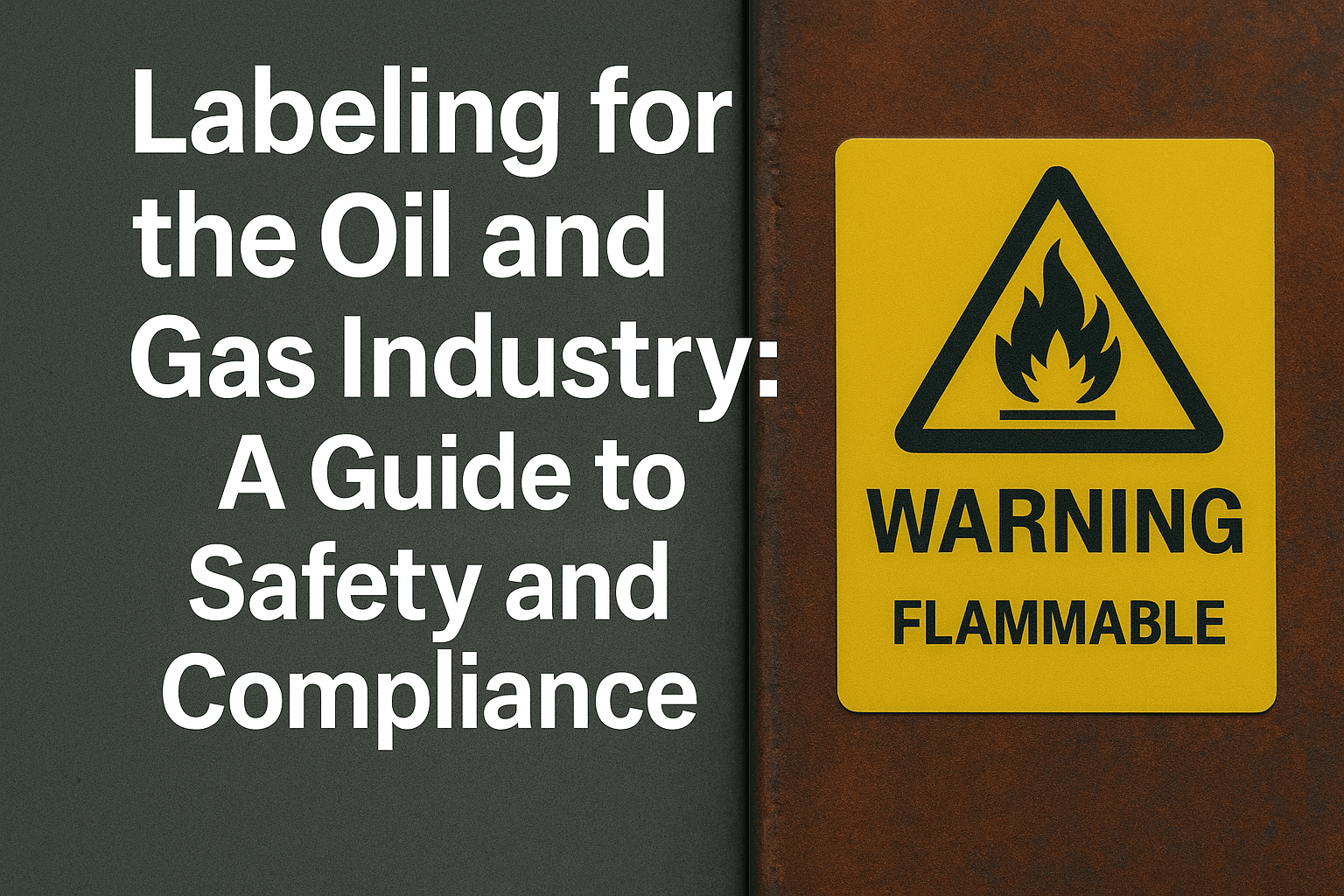
- Hazardous Material Labels: Hazardous material labels are used to identify hazardous materials and to provide information about their hazards. These labels must comply with GHS regulations.
- Safety Signs: Safety signs are used to warn workers about potential hazards and to provide information about safety procedures.
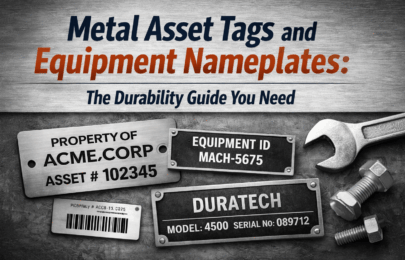
- Asset Tags: Asset tags are used to track and manage assets, such as tools, equipment, and vehicles.
Each of these types of labels plays a critical role in ensuring the safety and efficiency of an oil and gas facility.
Regulatory Compliance: A Non-Negotiable
The oil and gas industry is one of the most heavily regulated industries in the world. There are a number of government agencies that have specific regulations regarding the labeling of equipment, pipelines, and hazardous materials. Here are some of the key regulations that you need to be aware of:
- OSHA 29 CFR 1910.145: This regulation specifies the requirements for safety signs and tags. It covers everything from the design of the signs to the placement of the signs.
- ANSI/ASME A13.1: This standard provides guidance on the color-coding of pipe markers. It is a voluntary standard, but it is widely used in the oil and gas industry.
- OSHA 29 CFR 1910.1200: This regulation, also known as the Hazard Communication Standard, requires employers to provide information to their employees about the hazardous chemicals to which they are exposed. This includes the use of GHS-compliant labels.
- DOT 49 CFR: This regulation specifies the requirements for the transportation of hazardous materials. It includes specific requirements for the labeling of packages and containers.
By complying with these regulations, you can ensure that your facility is safe and that you are not at risk of fines or other penalties.
Choosing the Right Labels for the Job
Given the harsh environments and strict regulations of the oil and gas industry, it is essential to choose the right labels for the job. Here are a few key factors to consider when choosing your labels:
- Durability: Your labels need to be able to withstand the specific challenges of your environment. This may include extreme temperatures, moisture, salt spray, chemicals, and UV light. Look for labels that are made from durable materials, such as polyester, vinyl, or metal.
- Adhesion: The adhesive on your labels needs to be strong enough to hold the label in place, even in harsh conditions. Look for labels with a high-performance adhesive that is designed for your specific application.
- Compliance: Your labels need to comply with all relevant regulations. This may include regulations from OSHA, the EPA, and the DOT. Work with a knowledgeable label supplier who can help you ensure that your labels are compliant.
- Readability: Your labels need to be easy to read, even from a distance. Use a clear, legible font and a high-contrast color scheme.
By considering these factors, you can choose labels that will stand up to the toughest conditions and that will help you to create a safe and compliant facility.
Conclusion: Safety and Efficiency Through Labeling
Labeling is a critical part of a safe, efficient, and compliant oil and gas facility. By understanding the unique challenges of this industry, the different types of labels that are used, and the key regulations that you need to be aware of, you can create a labeling system that will help you to protect your workers, avoid fines, and improve your bottom line.
At SSCPID, we have a wide range of durable labeling solutions that are specifically designed for the oil and gas industry. We can help you choose the right labels for your specific needs and create a labeling system that will stand up to the toughest conditions. Contact us today to learn more about our Oil and Gas Labeling Solutions.