In today’s fast-paced world, businesses are under constant pressure to do more with less. They need to increase efficiency, reduce costs, and improve quality, all at the same time. One of the most effective ways to achieve these goals is through automation. And one of the most overlooked, yet most powerful, areas for automation is your labeling system.
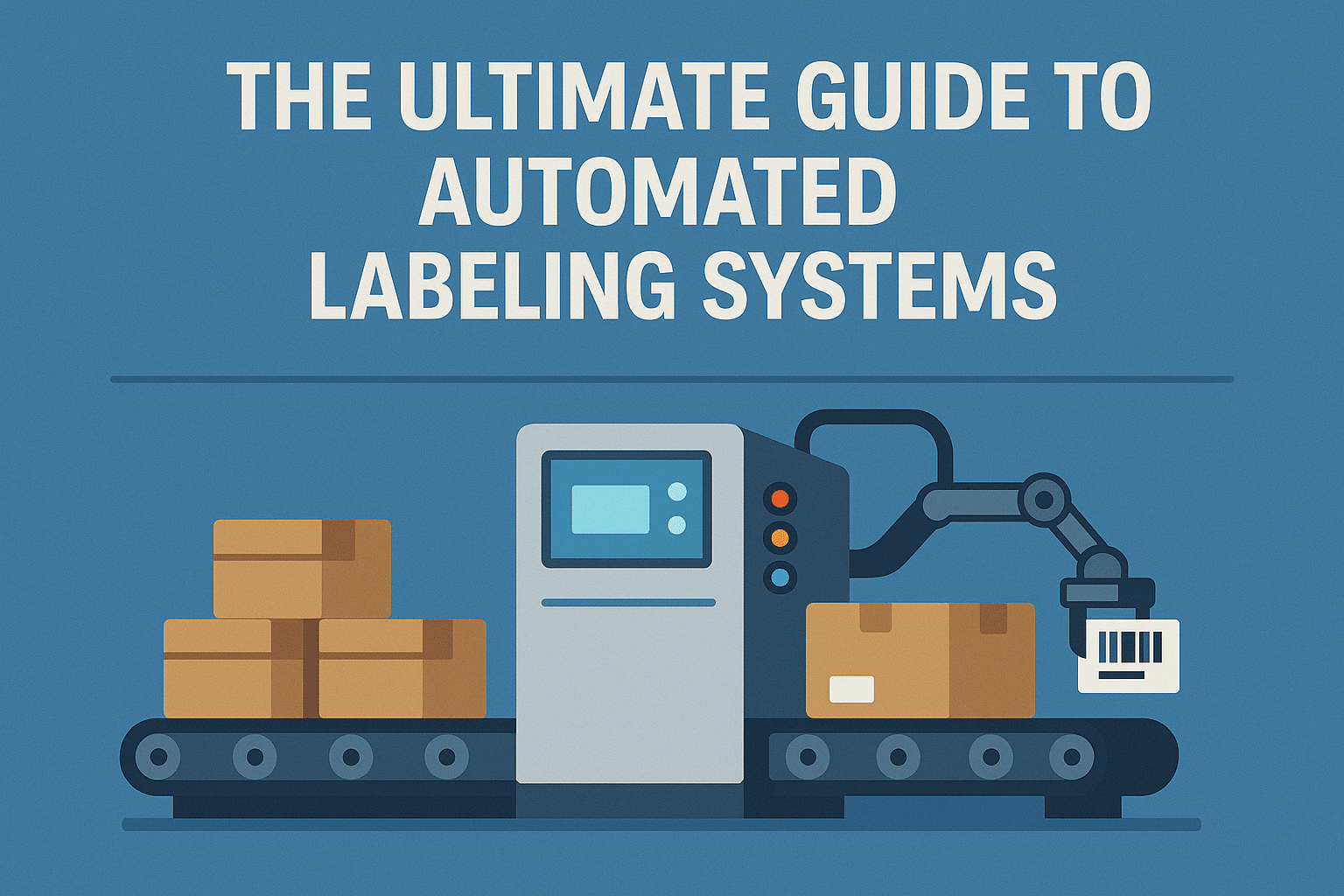
An automated labeling system is a system that automatically applies labels to products, packages, or pallets. It can be a simple, standalone machine or a complex, integrated system. Whatever the form, the goal is the same: to automate the labeling process and to eliminate the need for manual labor.
This guide will provide a comprehensive overview of automated labeling systems. We will explore the different types of automated labeling systems, the benefits of automation, and the key factors you need to consider when choosing a system. By the end of this guide, you will have a clear understanding of the power of automated labeling and be able to make an informed decision about whether it is right for your business.
The Power of Automation
Automation is the key to unlocking a new level of efficiency and productivity. By automating your labeling process, you can:
- Increase Throughput: An automated labeling system can apply labels much faster than a human can. This can help you to increase your throughput and to get your products out the door faster.
- Improve Accuracy: An automated labeling system can apply labels with a high degree of accuracy. This can help you to reduce errors and to ensure that your products are labeled correctly every time.
- Reduce Costs: An automated labeling system can help you to reduce your labor costs. It can also help you to reduce your material costs by eliminating waste.
- Improve Safety: An automated labeling system can help you to improve safety in your workplace. By automating the labeling process, you can eliminate the need for workers to perform repetitive and potentially dangerous tasks.
In short, an automated labeling system can help you to do more with less. It can help you to increase efficiency, reduce costs, and improve quality, all at the same time.
Types of Automated Labeling Systems
There are many different types of automated labeling systems to choose from. Here are a few of the most common:
- Label Applicators: A label applicator is a machine that automatically applies pre-printed labels to products, packages, or pallets. Label applicators are a good choice for businesses that need to apply a large number of the same label.
- Print and Apply Systems: A print and apply system is a machine that prints and applies labels in one continuous motion. Print and apply systems are a good choice for businesses that need to print and apply a variety of different labels.
- Integrated Systems: An integrated system is a custom-designed system that is integrated into your existing production line. Integrated systems are a good choice for businesses that have unique labeling requirements.
By choosing the right type of automated labeling system, you can create a system that is tailored to your specific needs.
Implementing an Automated Labeling System
Implementing an automated labeling system can be a complex process, but it does not have to be a difficult one. Here are the key steps you need to take to ensure a successful implementation:
- Define Your Requirements: The first step is to define your requirements. What do you need your automated labeling system to do? What are your throughput requirements? What are your accuracy requirements? By defining your requirements upfront, you can ensure that you choose the right system for your needs.
- Choose the Right System: Once you have defined your requirements, you can start to look for a system that meets your needs. There are many different types of automated labeling systems to choose from, so it is important to do your research and to choose a system that is a good fit for your business.
- Integrate the System: Once you have chosen a system, you need to integrate it into your existing production line. This can be a complex process, so it is important to work with a knowledgeable supplier who can help you to ensure a smooth integration.
- Train Your Employees: Your new automated labeling system will only be as good as the people who use it. That is why it is so important to train your employees on how to use the new system. Your training should cover everything from how to operate the system to how to troubleshoot common problems.
By following these steps, you can ensure that your implementation is a success and that you get the most out of your investment.
Conclusion: The Future is Automated
In today’s competitive marketplace, businesses are constantly looking for ways to gain an edge. Automation is one of the most effective ways to do this. By automating your labeling process, you can increase efficiency, reduce costs, and improve quality. An automated labeling system is a powerful tool that can help you to take your business to the next level.
At SSCPID, we are experts in automated labeling. We offer a wide range of automated labeling systems to meet the needs of any business. From simple label applicators to complex, integrated systems, we have the expertise to help you find the right solution for your specific needs. Contact us today to learn more about our Automated Labeling Solutions.
Latest Posts

1D vs 2D Barcodes: Which Format Does Your Operation Actually Need?
February 26, 2026

