In today’s world, consumers are more environmentally conscious than ever before. They are looking for products that are not only good for them, but also good for the planet. This has led to a growing demand for sustainable products, and that includes sustainable labeling.
Sustainable labeling is the practice of using labels that are made from environmentally friendly materials and that are produced in a way that minimizes their impact on the environment. This guide will provide a comprehensive overview of sustainable labeling. We will explore the different types of eco-friendly labels, the benefits of sustainable labeling, and the best practices for implementing a sustainable labeling strategy. By the end of this guide, you will have a clear understanding of the importance of sustainable labeling and what you need to do to make your products more environmentally friendly.
The Rise of the Conscious Consumer
Consumers are increasingly aware of the environmental impact of their purchasing decisions. They are looking for products that are made from sustainable materials, that are produced in an ethical manner, and that are packaged in a way that is environmentally friendly. This has led to a growing demand for products with eco-labels.
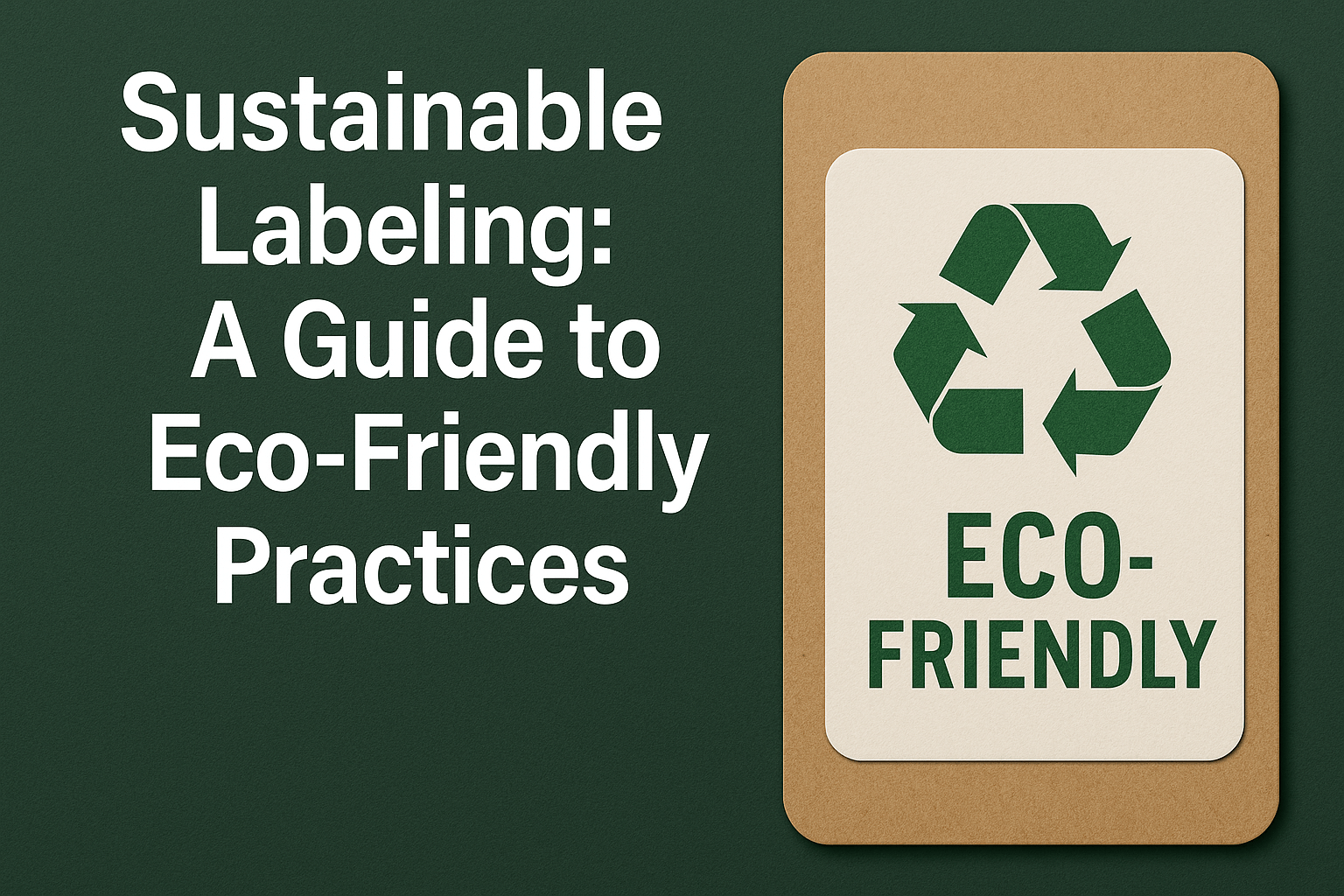
An eco-label is a mark that is placed on a product to indicate that it meets certain environmental standards. There are many different types of eco-labels, but they all have one thing in common: they provide consumers with the information they need to make informed decisions about the environmental impact of their purchases.
Studies have shown that products with eco-labels sell better than products without them. This is because consumers are willing to pay more for products that they believe are good for the environment. This is a powerful incentive for companies to adopt more sustainable practices.
Types of Eco-Friendly Labels
There are many different types of eco-friendly labels to choose from. Here are a few of the most common:
- Recycled Labels: Recycled labels are made from post-consumer waste. This means that they are made from materials that have already been used and would otherwise have ended up in a landfill. Recycled labels are a great way to reduce your environmental impact and to show your customers that you are committed to sustainability.
- Recyclable Labels: Recyclable labels are made from materials that can be recycled. This means that they can be turned into new products after they have been used. Recyclable labels are a great way to reduce waste and to conserve natural resources.
- Compostable Labels: Compostable labels are made from materials that will break down into compost. This means that they will not end up in a landfill. Compostable labels are a great way to reduce your environmental impact and to create a more circular economy.
- FSC-Certified Labels: The Forest Stewardship Council (FSC) is a non-profit organization that sets standards for responsible forest management. FSC-certified labels are made from paper that comes from responsibly managed forests. This means that the paper is harvested in a way that protects the environment and the rights of the people who live and work in the forest.
By choosing the right type of eco-friendly label, you can reduce your environmental impact and show your customers that you are committed to sustainability.
The Benefits of Sustainable Labeling
Sustainable labeling offers a number of benefits, both for your business and for the environment. Here are a few of the most important benefits:
- Reduced Environmental Impact: The most obvious benefit of sustainable labeling is that it reduces your environmental impact. By using labels that are made from recycled, recyclable, or compostable materials, you can reduce waste, conserve natural resources, and protect the environment.
- Improved Brand Image: Sustainable labeling can also improve your brand image. Consumers are more likely to buy from companies that they believe are environmentally responsible. By using sustainable labels, you can show your customers that you are committed to sustainability and that you are a company that they can trust.
- Increased Sales: Studies have shown that products with eco-labels sell better than products without them. This is because consumers are willing to pay more for products that they believe are good for the environment. By using sustainable labels, you can increase your sales and improve your bottom line.
- Compliance with Regulations: In some cases, sustainable labeling may be required by law. For example, some states have laws that require certain products to be labeled with information about their environmental impact. By using sustainable labels, you can ensure that you are in compliance with all relevant regulations.
Conclusion: A Greener Future, One Label at a Time
Sustainable labeling is more than just a trend; it is a movement. It is a movement towards a more environmentally friendly and sustainable future. By choosing to use sustainable labels, you can be a part of this movement. You can reduce your environmental impact, improve your brand image, and increase your sales. You can also help to create a greener future, one label at a time.
At SSCPID, we are committed to sustainability. We offer a wide range of eco-friendly labeling solutions that are designed to help you reduce your environmental impact. From recycled labels to compostable labels, we have the expertise to help you create a labeling system that is both sustainable and effective. Contact us today to learn more about our Sustainable Labeling Solutions.