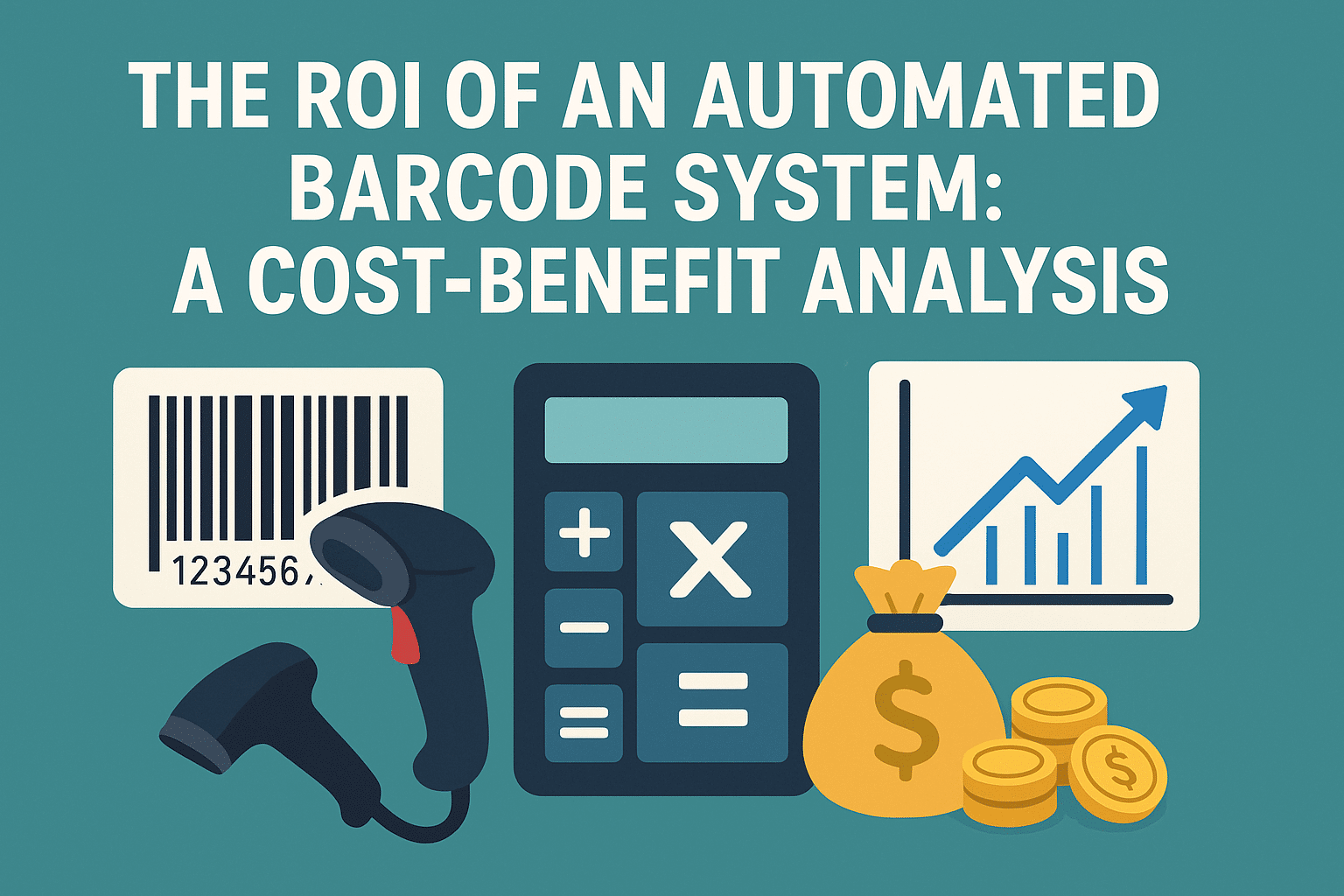
In today’s competitive business landscape, every investment needs to be justified. When it comes to technology, the question is always the same: will it provide a positive return on investment (ROI)? An automated barcode system is no exception. While the benefits of barcode technology are well-known, many businesses are hesitant to make the investment without a clear understanding of the potential ROI.
This guide will provide a comprehensive cost-benefit analysis of an automated barcode system. We will explore the costs associated with implementing a barcode system, the tangible and intangible benefits, and how to calculate the ROI for your business. By the end of this guide, you will have a clear understanding of the financial implications of an automated barcode system and be able to make an informed decision about whether it is the right investment for your business.
Understanding the Costs of an Automated Barcode System
The first step in a cost-benefit analysis is to understand the costs associated with implementing an automated barcode system. The costs can be broken down into two main categories: upfront costs and ongoing costs.
Upfront Costs
- Hardware: This includes barcode scanners, printers, and any other necessary hardware. The cost of hardware can vary widely depending on the type and quality of the equipment you choose. A basic barcode system can be implemented for under $1,000, while a more advanced system can cost tens of thousands of dollars.
- Software: You will need software to manage your barcode system. This may include inventory management software, asset tracking software, or a more comprehensive enterprise resource planning (ERP) system. The cost of software can also vary widely depending on the features and functionality you need.
- Implementation: This includes the cost of installing the hardware and software, as well as the cost of training your employees. The cost of implementation will depend on the complexity of your system and the size of your organization.
Ongoing Costs
- Supplies: This includes the cost of barcode labels, printer ribbons, and other supplies. The cost of supplies will depend on the volume of labels you print.
- Maintenance: This includes the cost of maintaining your hardware and software. The cost of maintenance will depend on the type and quality of your equipment.
- Support: This includes the cost of technical support for your hardware and software. The cost of support will depend on the level of support you need.
By understanding the costs associated with an automated barcode system, you can start to build a business case for the investment.
The Benefits of an Automated Barcode System
Now that we have a clear understanding of the costs, let’s explore the benefits of an automated barcode system. The benefits can be broken down into two main categories: tangible benefits and intangible benefits.
Tangible Benefits
Tangible benefits are those that can be easily quantified in financial terms. These are the benefits that will have a direct impact on your bottom line.
- Reduced Labor Costs: An automated barcode system can significantly reduce the amount of time it takes to perform tasks such as inventory counts, order picking, and shipping. This can lead to significant labor cost savings. For example, if you can reduce the time it takes to perform an inventory count by 50%, you can save thousands of dollars in labor costs each year.
- Fewer Errors: Manual data entry is prone to errors. An automated barcode system can reduce data entry errors by up to 90%. This can lead to significant cost savings from fewer shipping errors, less rework, and improved inventory accuracy.
- Improved Inventory Management: An automated barcode system can provide you with real-time visibility into your inventory levels. This can help you to reduce stockouts, minimize carrying costs, and improve your overall inventory management.
- Increased Throughput: By automating tasks such as order picking and shipping, you can increase the throughput of your warehouse or distribution center. This can help you to process more orders in less time, which can lead to increased revenue.
Intangible Benefits
Intangible benefits are those that are more difficult to quantify in financial terms, but they can still have a significant impact on your business.
- Improved Accuracy: An automated barcode system can significantly improve the accuracy of your data. This can lead to better decision-making, improved customer satisfaction, and a more efficient supply chain.
- Increased Efficiency: An automated barcode system can help you to streamline your operations and improve your overall efficiency. This can free up your employees to focus on more value-added tasks.
- Improved Customer Satisfaction: By reducing shipping errors and improving order accuracy, you can improve customer satisfaction. This can lead to increased customer loyalty and repeat business.
- Enhanced Decision-Making: With more accurate and timely data, you can make better decisions about your business. This can help you to identify trends, spot opportunities, and make more informed decisions about your inventory, your pricing, and your overall business strategy.
Calculating the ROI of an Automated Barcode System
Now that we have a clear understanding of the costs and benefits, we can calculate the ROI of an automated barcode system. The ROI is calculated by dividing the net profit of the investment by the cost of the investment. The formula for ROI is as follows:
ROI = (Net Profit / Cost of Investment) x 100
To calculate the net profit, you need to subtract the cost of the investment from the total benefits. The total benefits include both the tangible and intangible benefits. While it is difficult to put a dollar value on the intangible benefits, it is important to consider them when making your decision.
Here is a simple example of how to calculate the ROI of an automated barcode system:
Costs:
- Hardware: $5,000
- Software: $2,000
- Implementation: $3,000
- Total Cost of Investment: $10,000
Benefits (Annual):
- Reduced Labor Costs: $8,000
- Reduced Errors: $4,000
- Improved Inventory Management: $3,000
- Total Annual Benefits: $15,000
ROI Calculation:
- Net Profit = $15,000 – $10,000 = $5,000
- ROI = ($5,000 / $10,000) x 100 = 50%
In this example, the ROI of the automated barcode system is 50%. This means that for every dollar you invest in the system, you will get a return of $1.50. The payback period for this investment would be two years.
This is a simplified example, but it illustrates the basic process of calculating the ROI of an automated barcode system. To get a more accurate calculation, you will need to carefully consider all of the costs and benefits associated with your specific situation.
Conclusion: A Worthwhile Investment
An automated barcode system can be a significant investment, but it is an investment that can pay for itself many times over. By reducing labor costs, improving accuracy, and increasing efficiency, an automated barcode system can provide a significant return on investment. The key is to carefully consider all of the costs and benefits associated with your specific situation and to choose a system that meets your specific needs.
At SSCPID, we have a wide range of barcode solutions to fit any budget. We can help you choose the right system for your business and implement it in a way that maximizes your ROI. Contact us today to learn more about our Barcode Labeling Solutions.
Latest Posts

1D vs 2D Barcodes: Which Format Does Your Operation Actually Need?
February 26, 2026

